Storm damage repair, assessed before the pitch

Valley storms leave two kinds of damage: the wind events that take ridge caps and edge courses, and the occasional hail that bruises a roof's surface all at once. After a storm, check the roof from the ground before anything else, and expect storm-restoration door-knockers to follow the same weather.
What storm damage looks like here
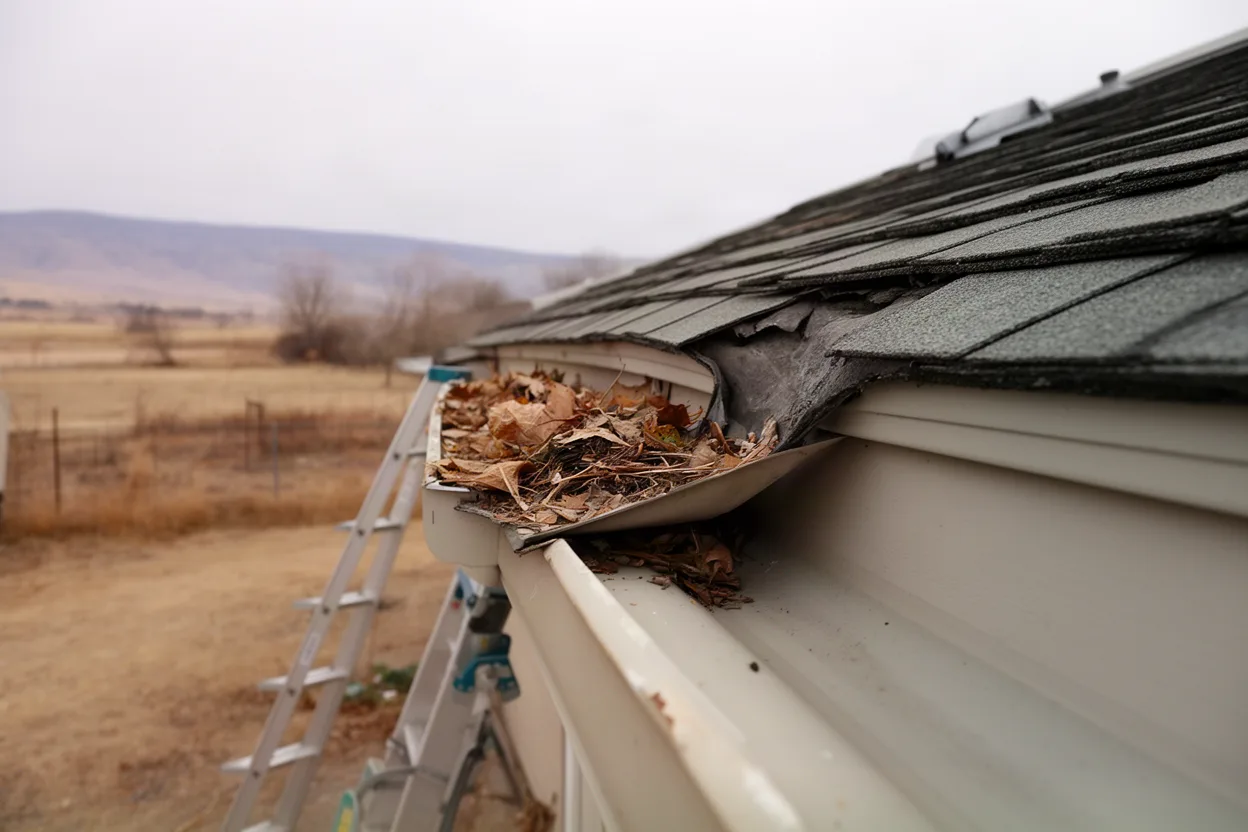
Wind damage is usually obvious from the ground: missing tabs, lifted edges, a ridge cap half peeled. Hail damage is quieter, bruised shingles that look intact but lost their granule cover, dents on soft metals like vents and gutters that give the hit away. A roofer who knows what to photograph makes the insurance conversation straightforward.
The order of operations
If the roof is open to weather, temporary tarping first. Then the damage assessment and a written estimate. If a claim is on the table, the assessment is the document your adjuster works from, so get it before deciding anything. Storm damage rarely waits, but a decision made under a knock at the door rarely improves it either.
Available in your town
Other services
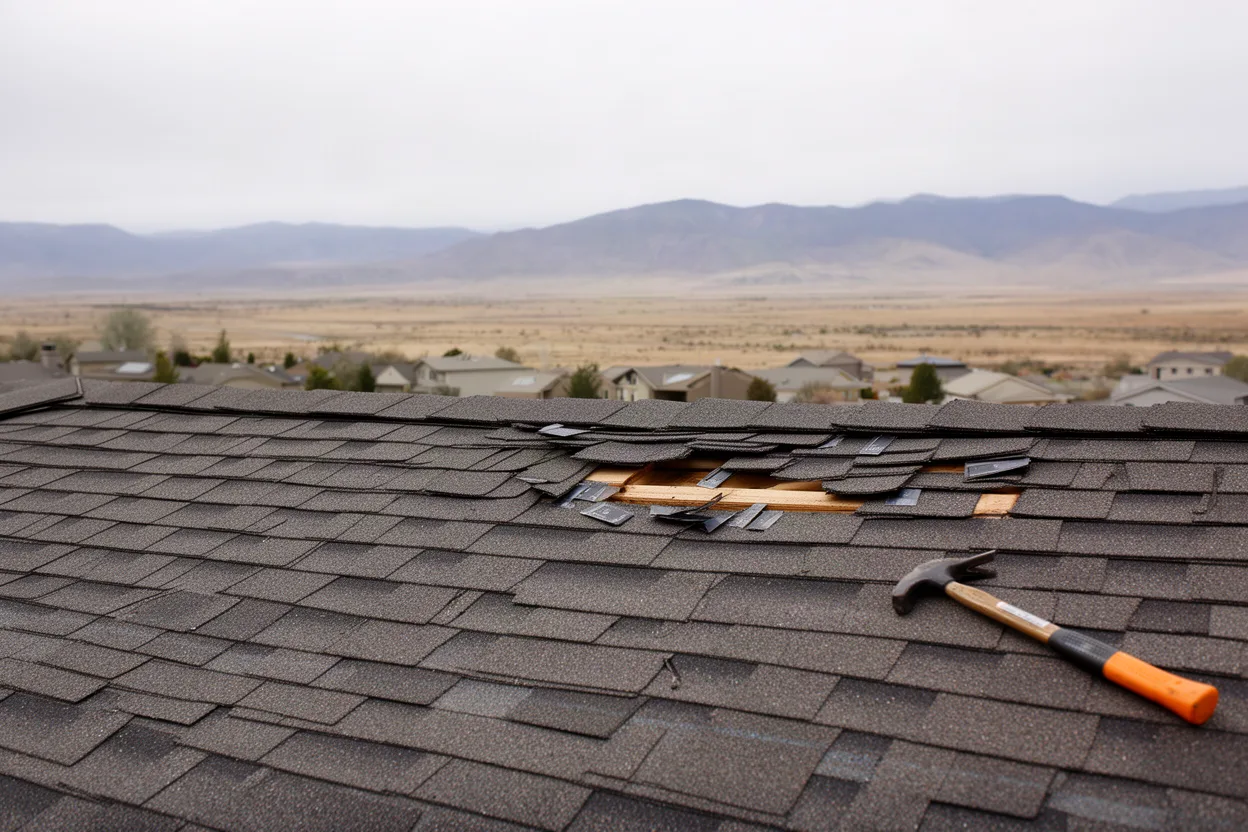
Roof repair
Wind-lifted tabs, failed flashing, cracked boots, and leak tracing.
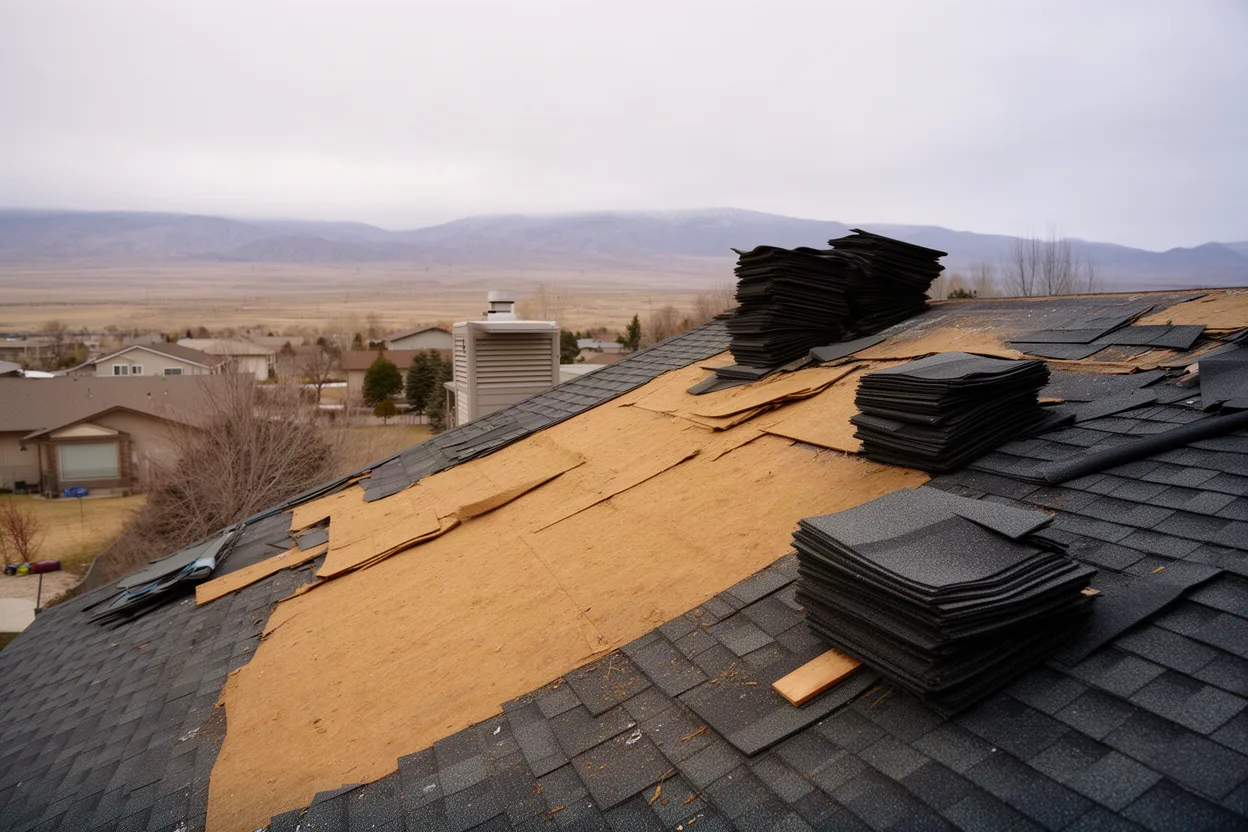
Roof replacement
Full tear-off and re-roof for aging shingles, hail damage, or a system upgrade.
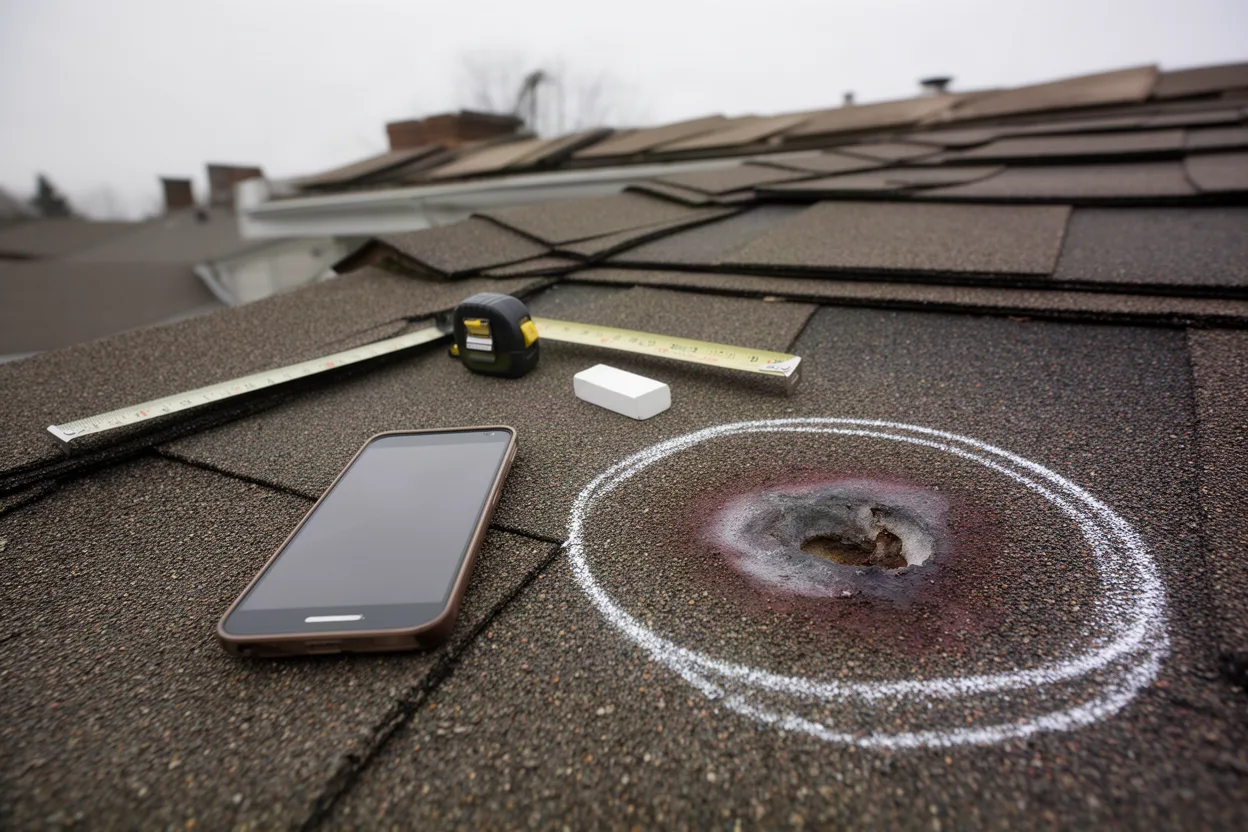
Roof inspection
Documented roof condition for sale, insurance, or post-storm assessment.
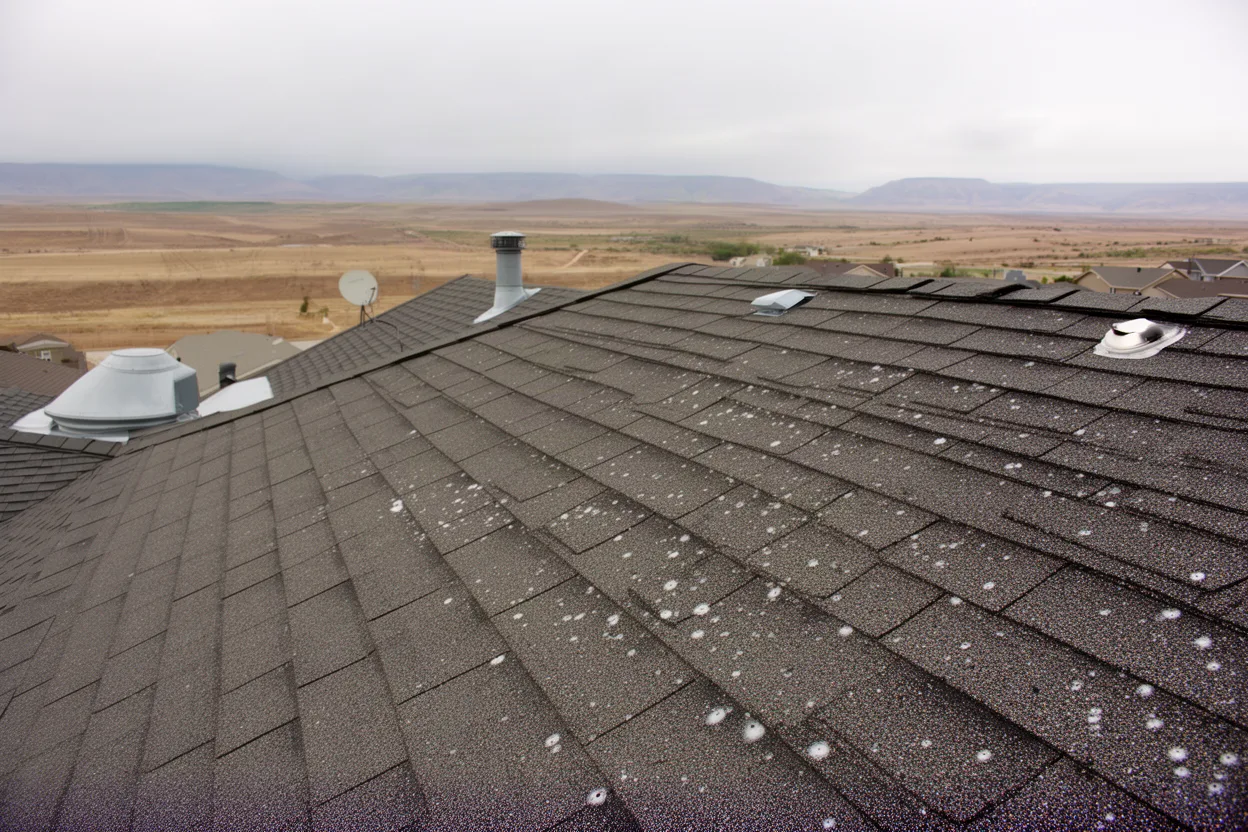
Storm & hail damage
Wind and hail assessment, tarping, and repair after valley storms.
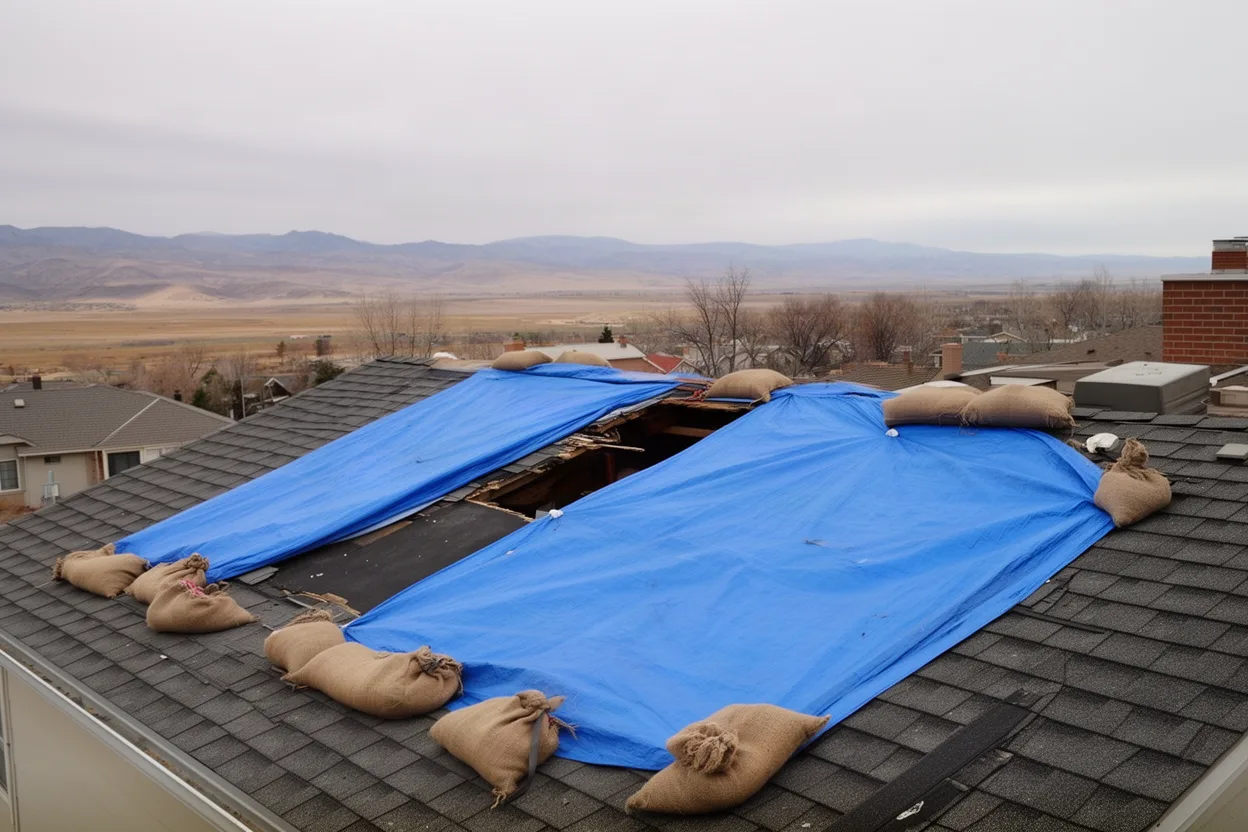
Emergency repair
Triage for open-to-weather damage and tarping after wind.
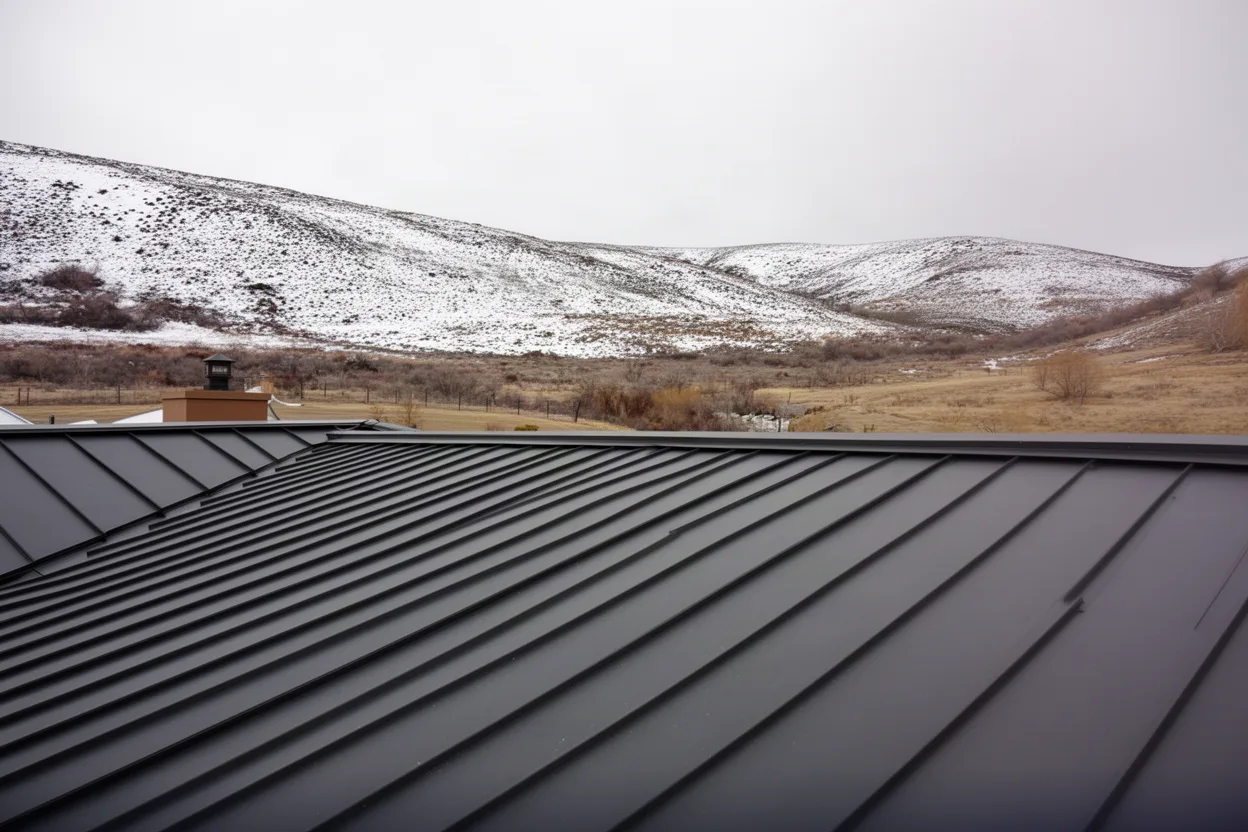
Metal roofing
Long-life standing seam and panels for UV, snow, and foothill exposure.
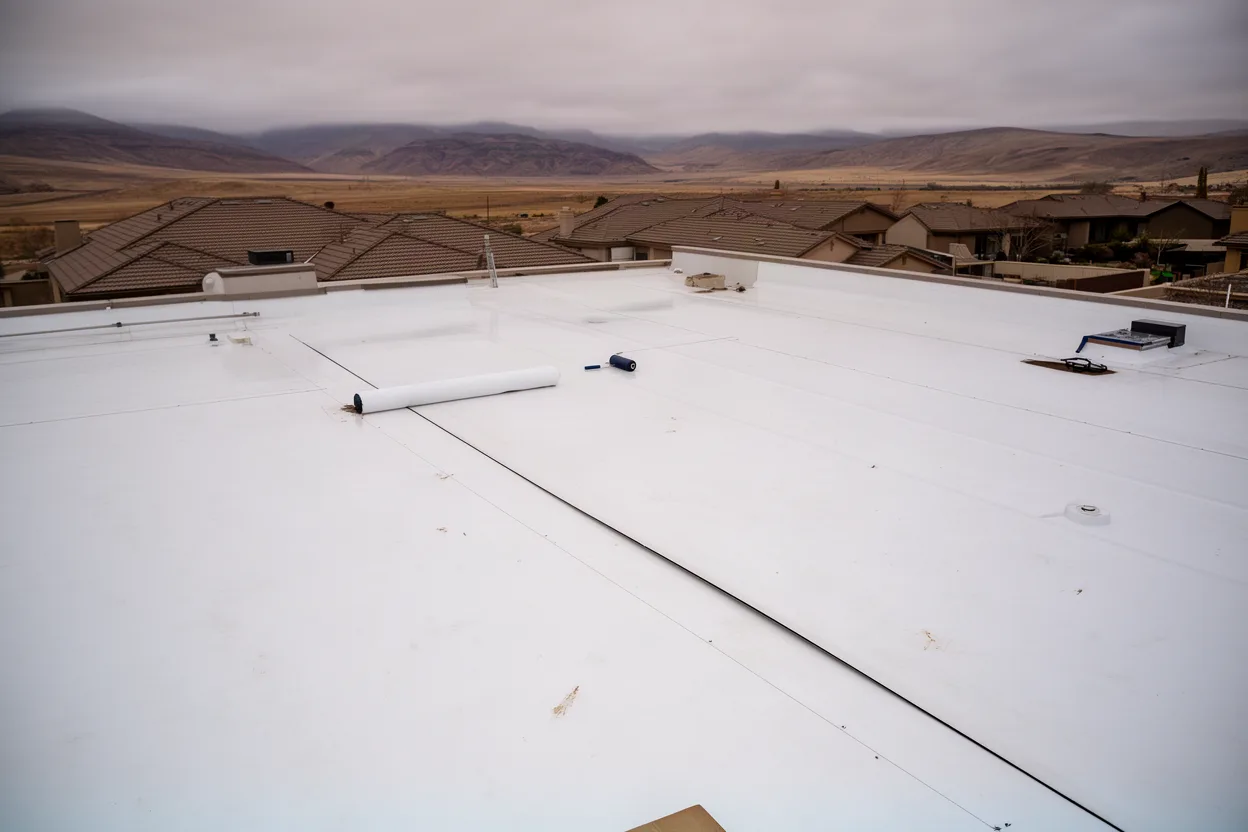
Flat roof repair
Membrane and low-slope systems on porches, additions, and commercial buildings.

Commercial roofing
Low-slope systems for offices, retail, and light industrial across the valley.
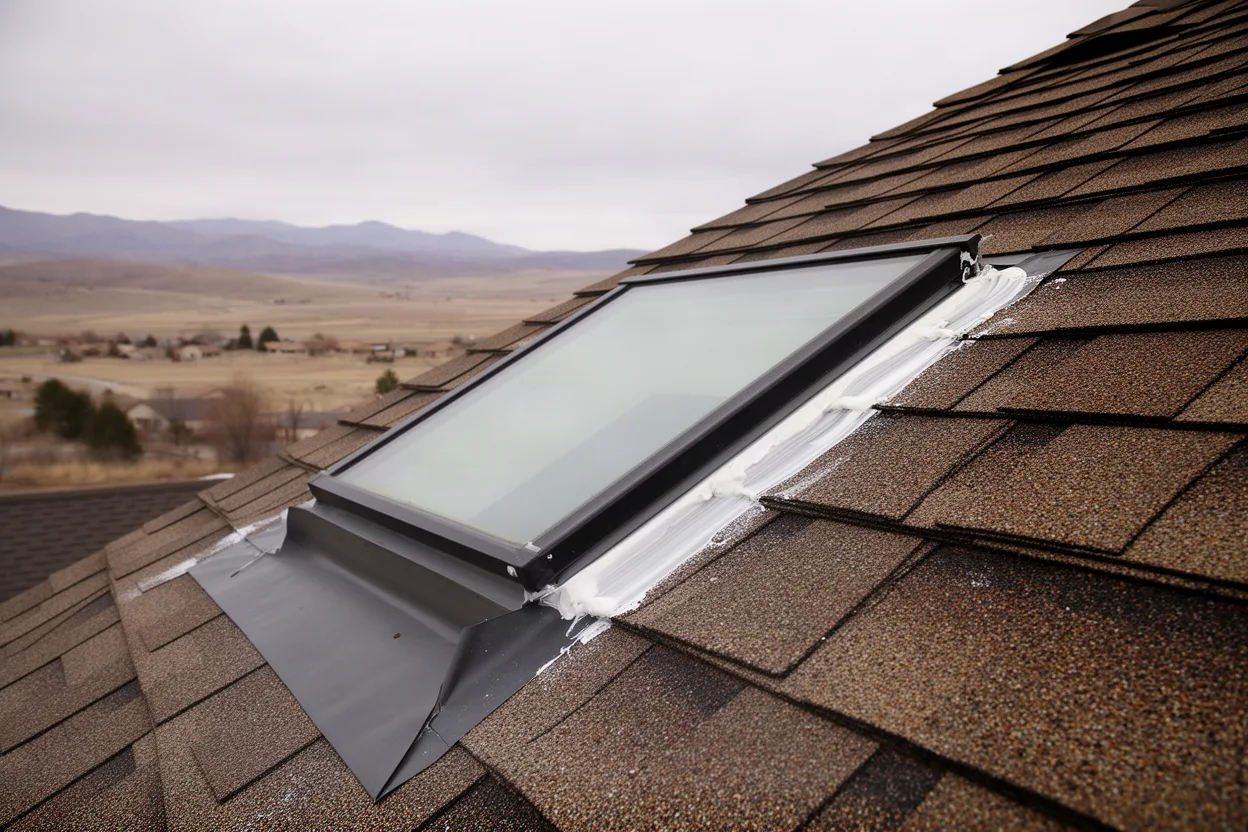
Skylight repair
Leaks, condensation, and curb-flashing failures on skylights of every age.
Gutters & downspouts
Repair, replacement, and guards, including the drainage path off the roof.


